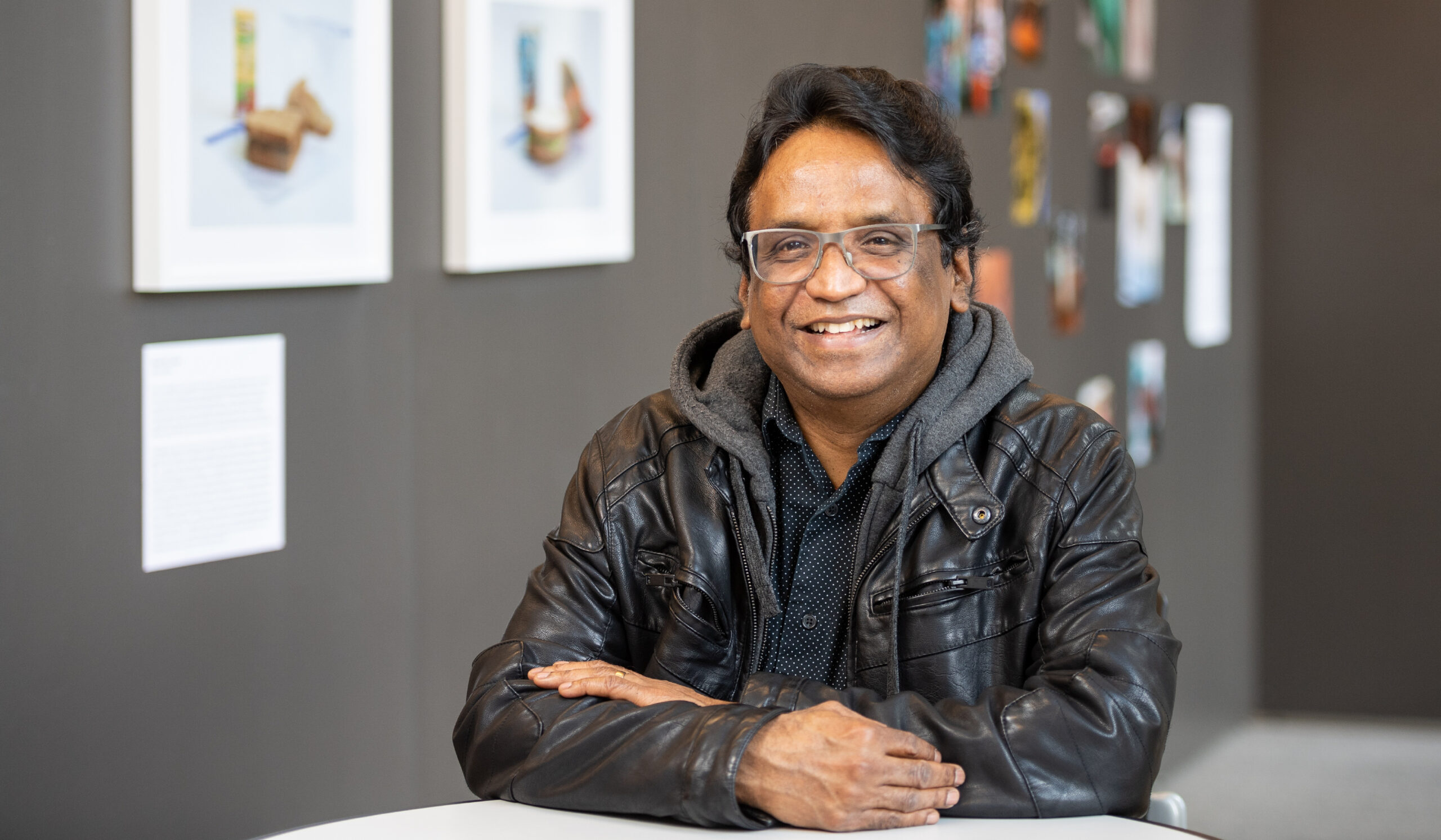
Ramaswami Mahalingam is a professor of psychology and the director of the Barger Leadership Institute in U-M’s School of Literature, Science, and the Arts. Michigan Alum spoke to Mahalingam about mindful leadership, part of his Michigan Online course, “Mindfulness, Dignity, and the Art of Human Connection.”
Why is mindfulness important in leadership development?
Leaders must possess a multi-dimensional skill set to make decisions, balancing the cognitive and emotional aspects of decision-making. Mindful leadership is a holistic approach to thinking about values and cultural practices in the workplace, emphasizing kindness and compassion, with actions guided by the values that are important to them.
Mindful leaders promote compassion, rejoice with their employees’ success, provide resources to excel, and support them all the way. By recognizing the dignity of self and others and fostering a culture of dignity, leaders can enhance well-being, mental health, and productivity in the workplace.
Of the seven features of the Mindful Mindset — compassion, sympathetic joy, critical intersectional awareness, negative capability, cultural humility, wonder, and generosity — which do you find is the easiest for leaders to adopt?
Compassion comes readily because whenever there is suffering, people respond with it. As mindful leaders become more intentional about compassion, whenever there is suffering in the workplace, they respond and support by providing all the things their staff needs.
Which seems to be the hardest?
Sympathetic joy doesn’t come easily. In Buddhism, Mudita is the practice of finding joy in the happiness and success of others, even if it does not directly benefit us. It’s difficult because if something good happens to people around us, our immediate response can be jealousy and social comparison.
A mindful leader can generate sympathetic joy in the workplace, where they help people feel good about themselves, support one another, and feel respected for their work, thereby creating a culture of dignity.
How can leaders begin to build mindful, dignity-centered connections?
Mindfulness is not just about doing meditation. It is recognizing the dignity and humanity in ourselves and others, and acting with compassion, sympathetic joy, and spreading happiness around us. Start with generosity, wonder, and negative capability.
Generosity is how we think about the different ways people contribute to our lives through material, intellectual, and emotional means. Keep a journal of the generosity you receive or witness, from a colleague sharing their knowledge to a stranger performing a random act of kindness. This intervention improves our mood and psychological well-being.
Wonder is a powerful force that leads to transformation. When you stand before the Taj Mahal or the Grand Canyon, you can’t help but feel small. This experience can inspire a personal transformation, a humbling shift in perspective. But wonder also has a social component. When you wonder why your female colleagues are earning less, that wonder should lead to a call for social transformation.
Negative capability is our capacity to accept our imperfections and shortcomings with profound compassion. This mindset encourages us to see our failures not as a sign of weakness, but as opportunities for growth and learning.
How do you recommend leaders sustain these practices in challenging or stressful situations?
Leaders are faced with challenges, but it is not always about the bottom-line decision of “What am I going to do?” In such situations, mindful leaders engaging in a variety of contemplative practices — such as meditation, meditative art, journaling, and poetry — will arrive at decisions that are guided by their values, not just by the bottom-line demands.
My mindful mindset framework provides the tools to approach complex problems with clarity, courage, and a commitment to preserving dignity. Cultivating a mindful mindset will help leaders bring clarity to their intentions, deepening their connection to their values. It will empower leaders to approach the question “Why are you doing this?” with a lot more tools under their belt — and probably come up with a more optimal, creative solution to the problem.
Check out Ramaswami Mahalingam’s Michigan Online course, “Mindfulness, Dignity, and the Art of Human Connection” — free for U-M students, faculty, staff, and alumni.