Secret Service
•
Photo by Stephen Maturen/Getty Images
During Matthew Cybert’s, ’97, first week in the White House, he’d hardly even laid eyes on the president.
In 2004, Cybert was serving on then-President George W. Bush’s Secret Service detail. He was on the midnight shift, standing guard outside the president’s bedroom, taking in what he could of the dark, quiet building, when, at about 3 a.m., President Bush rushed from the bedroom saying, “We have to go.”
The president’s dog, Barney, was sick and needed to be taken outside.
Cybert, who was already a “nervous wreck,” quickly ushered the president to the elevator, which had been turned off for the night but fortunately had an obvious on switch.
“Then I looked at him, and I said something that I’ll never forget. I said, ‘What floor, sir?’” Cybert remembers, forgetting in the commotion that the White House had only two floors.
“He had this look, like, ‘Is this Candid Camera? Where did you come from?’ … The rest is history, but that was my first interaction with the president,” Cybert says.
Last year, Cybert retired from a 26-year career with the United States Secret Service. Though his time on President Bush’s detail had a comical start, Cybert would go on to build a career defined by high-stakes leadership, rising through the ranks of the Secret Service to oversee presidential protection operations around the world.
Public Service
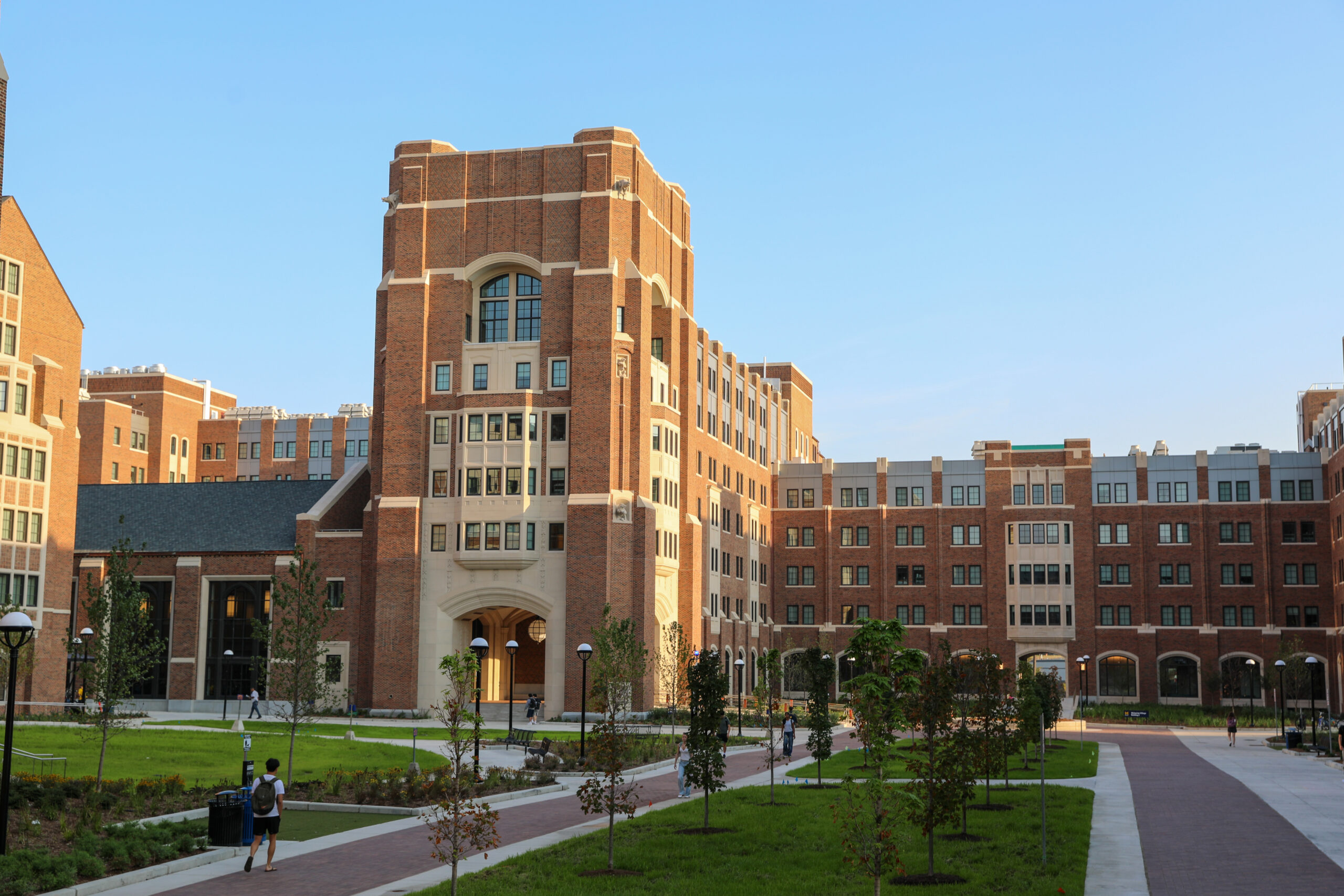
Growing up, Cybert’s mother was a nurse and his father was a police officer. With a public service upbringing, Cybert initially attended UM-Dearborn with the intention of becoming a doctor, but shifted his studies to psychology and sociology and set his sights on law enforcement instead. He considered the Michigan State Police, but his father pushed him to think bigger, now that he had a U-M degree.
Cybert began applying to the Secret Service in 1998 and, after an 18-month interview process, was hired in 1999. He was first assigned to the Minnesota field office, where, he explains, agents have two responsibilities: criminal investigation of financial crimes and personal protection.
“Although we have the dual mission, it’s obvious that protection is really the priority. … If you are asked to protect the president and he comes to town, you have to put the investigations aside,” Cybert says.
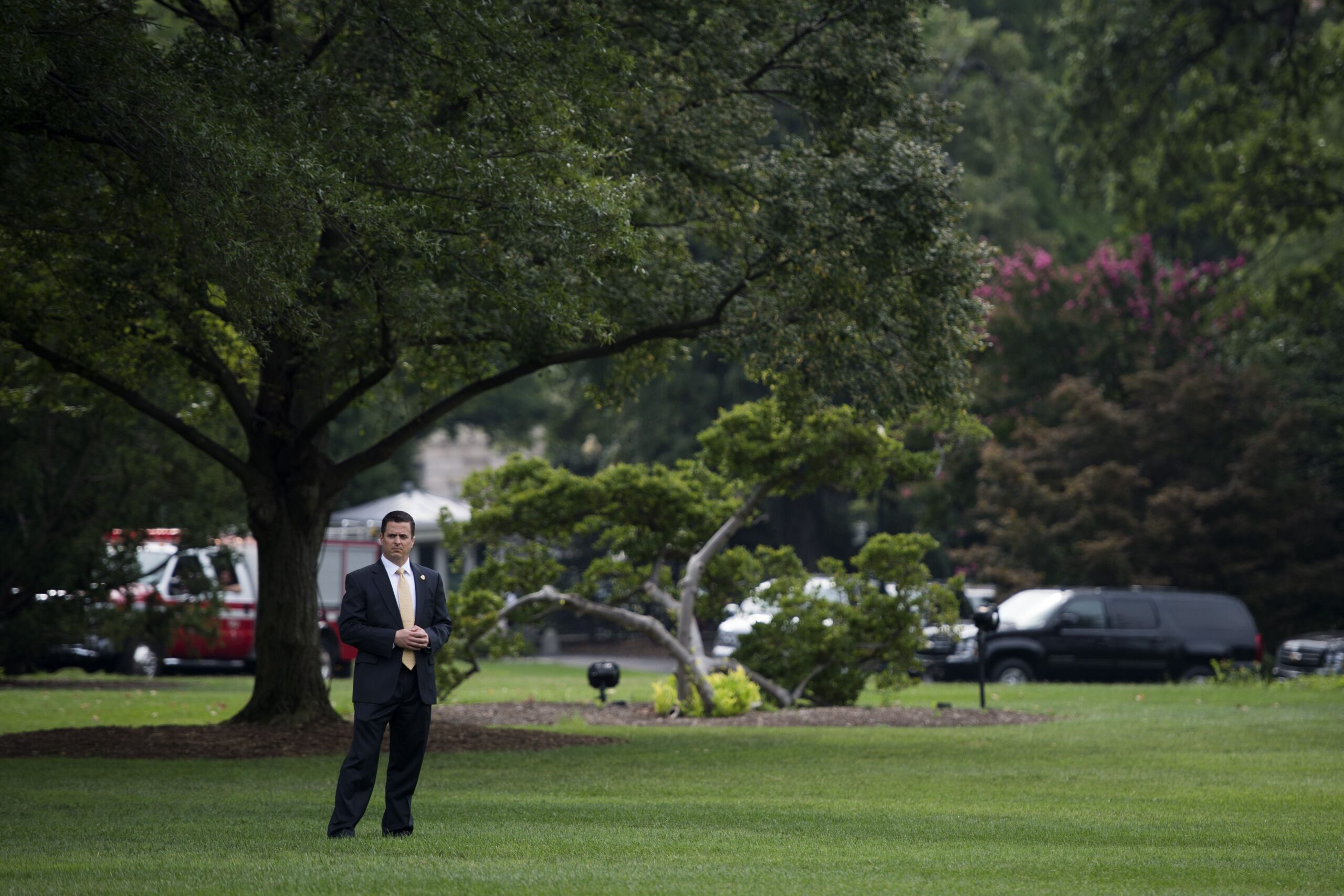
The beginning of Cybert’s career was mostly uneventful until the War in Afghanistan prompted new assignments, and he volunteered to move to Houston for the protection detail of one of President Bush’s brothers. Because he was — and looked — young, Cybert sometimes acted as added support for Jenna Bush’s protection detail at the University of Texas at Austin, assigned to protect the president’s daughter.
“As a college student, the last thing you want is a bunch of Secret Service guys running around. So I blended in and was able to effectively do my job from a distance,” he says.
Assignments sometimes changed rapidly. As the Department of Homeland Security was founded, Cybert volunteered to join the permanent protective detail for Tom Ridge, the first homeland security secretary. The assignment relocated him to Washington, D.C., and after 18 months, Cybert was offered to join the president’s detail for Bush’s last two years in office.
Frequent rotations to other assignments give agents like Cybert opportunities to learn different aspects of the job. One of the most instructive assignments, he recalls, was in countersurveillance, which trained him to think like a threat, rather than keeping his eyes on the protectee.
“The Secret Service does a lot from the inside looking out,” Cybert says. “This gave me the ability to learn a lot about being on the outside looking in.”
New Career Peaks
Soon came the assignment that defined a new peak in Cybert’s career: a permanent spot on President Barack Obama’s protective detail, eventually leading to a role in his protective shift — the agents closest to the protectee.
During Obama’s second term in office, Cybert became the lead supervisor on the shift, responsible for orchestrating the close-protection team for the president. He led presidential advances all over the world, including Obama’s first stay at the United Nations headquarters, with countless logistical and safety challenges he was entrusted to navigate.
The role, and reacting to constantly evolving security threats, demands composure under pressure.
“Every scenario has a solution, and the solutions come easier with experience and wisdom and training,” Cybert says.
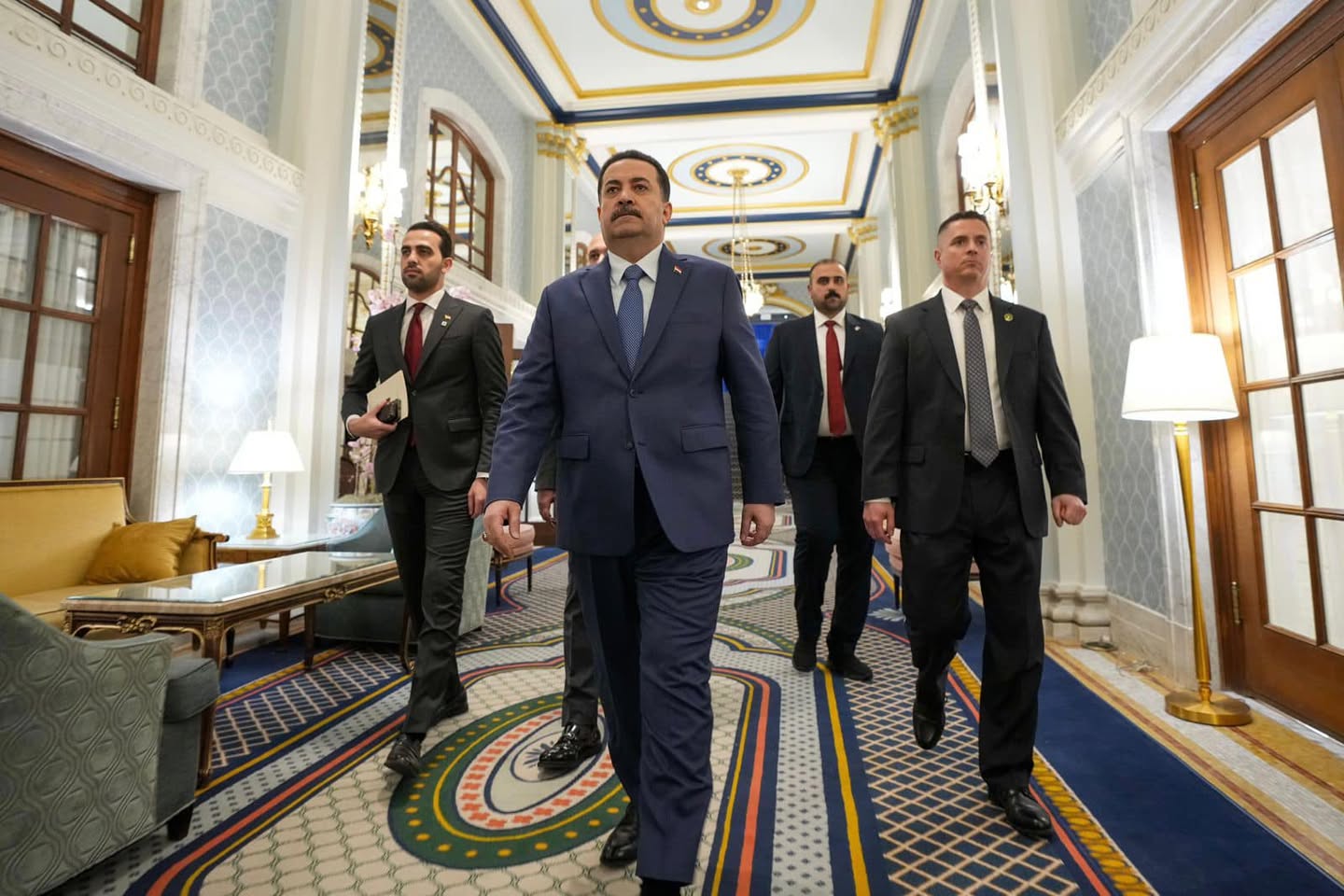
But much of the job requires maintaining focus in far less dynamic moments.
“We spend so much time standing in front of doors, standing in hallways and hotels, where it almost gets to a point where you look at the pattern on a carpet in a hotel and you start counting circles and dots just to keep yourself occupied. But that’s a blessing and a curse. You have to keep in mind that the minute you drop your guard, you’re the only thing between whatever is coming at you and the president of the United States,” Cybert says.
Cybert spent significant time with President Obama, from an early golf game where an errant ball hit him and dozens of trips on Air Force One, to a memorable moment when the president spent 10 uninterrupted minutes playing with Cybert’s then-4-year-old daughter in the Oval Office.
“People don’t even get to talk to the president, let alone hang out with him,” Cybert remembers of the day. “I got 10 minutes. I mean, world leaders don’t even get that amount of time.”
After two years with President Obama during his second term, Cybert was promoted and moved to Colorado to become the assistant special agent in charge of the Denver field office.
“The Denver field office covered a huge part of the United States — [about] one-eighth of the United States was our responsibility,” Cybert says. “It was exciting to do that, but again, nonstop protection.”
Years of hard work in Denver led to another career reward, and Cybert was named the resident agent in charge of the Secret Service office in Madrid in late 2019. He arrived in Spain just before the COVID-19 pandemic halted travel worldwide. With few protectees to prepare for, Cybert enjoyed what had been a rare treat amid the demanding nature of working for the Secret Service — spending time locally with his family and watching U-M football games, something he had to previously skip due to work demands.
“I became heavily involved because I was orchestrating the close protection team for the president of the United States,” he says. “I didn’t see any Michigan football games for two years.”
Coming Home
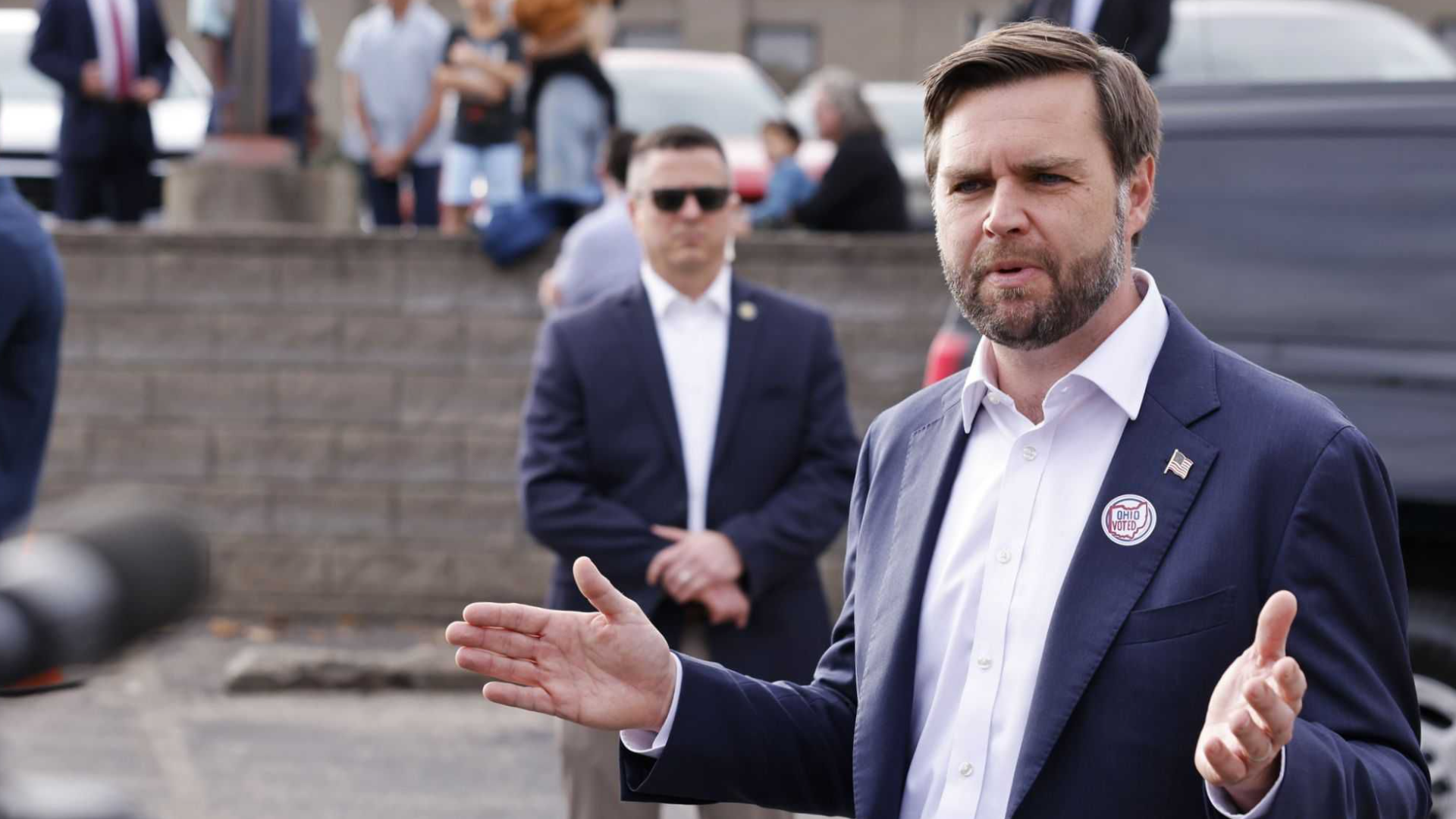
After his time in Spain, Cybert returned home as the special agent in charge of the Minnesota field office — a full-circle moment as he led the same field office where his career began. There, he was offered what would become his final role with the Secret Service: leading then-vice presidential candidate JD Vance’s protection detail while on the campaign trail. After the election, Vance asked Cybert if he’d be interested in continuing on his detail in the White House. But after nearly three decades, Cybert was ready to retire.
“I already had it in my mind. It was 26 years. It was time. I did everything I wanted to do,” Cybert says.
Cybert is now the assistant vice president of Law Enforcement at the Federal Reserve Bank of Minneapolis, just four blocks from his Minnesota Secret Service office. For the first time in years, Cybert has his Saturdays free once more to watch Wolverine football.
“While working in the Secret Service, missing the football games on Saturday was like the worst thing ever,” he says.
His respect for the agency he served, and those he served with, continues with him in his new role.
“If you take all of the missions that [the Secret Service] does, thousands of them a year, protectees everywhere — it’s just mind-boggling how successful that group is, and it’s because of the dedication of the men and women of that group,” Cybert says.
“Minus all of the Ohio State agents,” he laughs.
Katherine Fiorillo is the senior editor of Michigan Alum.