“BACK IN MY DAY…
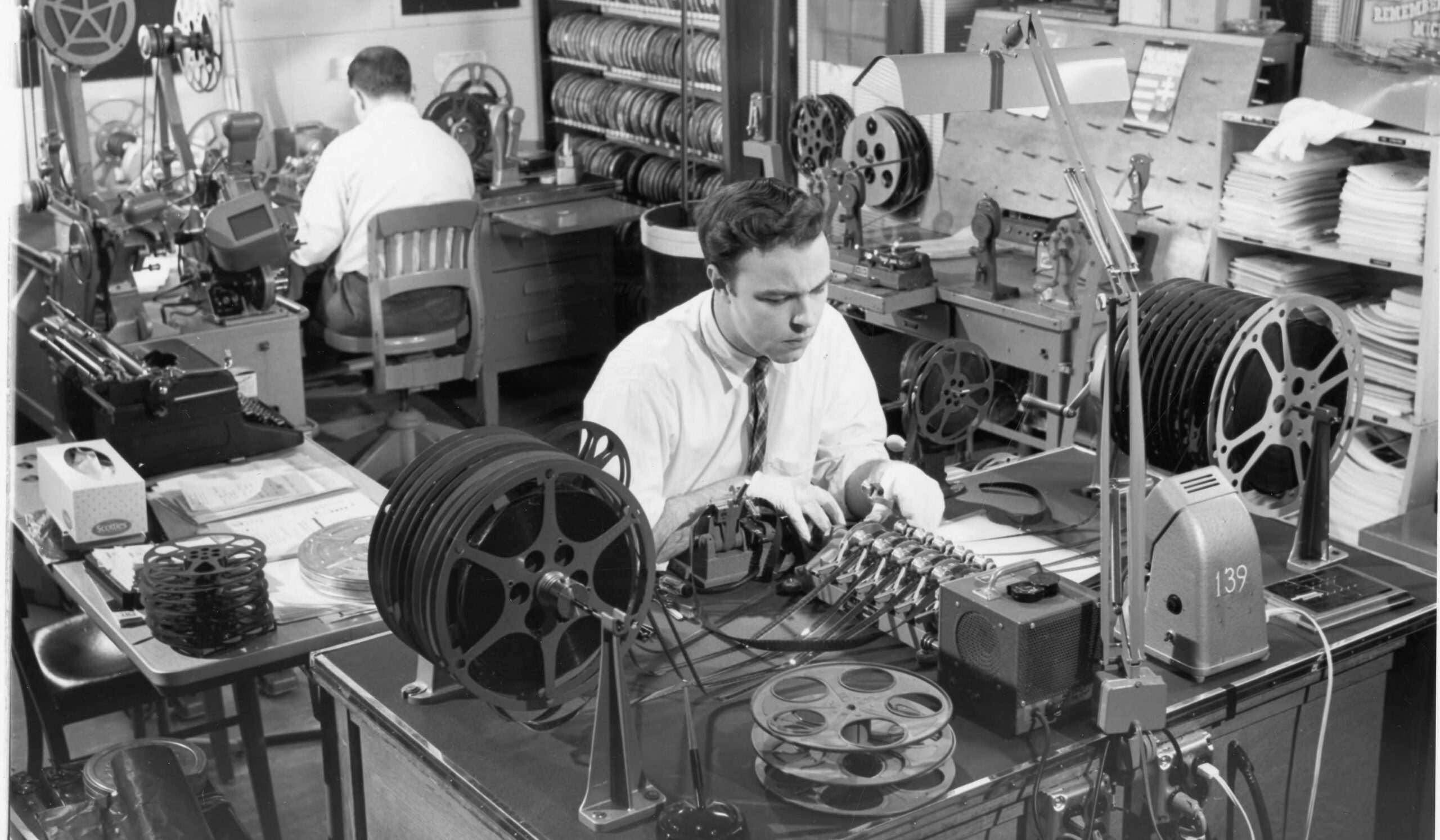
the only way to see a movie was in a theater of some kind. There were no VHS tapes, no DVDs, no internet, no streaming, no cable television, no Blockbuster, no Netflix. But there were several student-run film organizations that screened movies in various places around campus such that, if you wanted, for about $1 each, you could see a different film almost every night of the week. Many of these were rare films and subtitled foreign films, treasures that you would never see in a commercial theater. These were the very early days for film studies in American universities, and these screenings provided the evidence that this was a subject worthy of such in-depth study.” — Herb Bowie, ’73
TODAY…
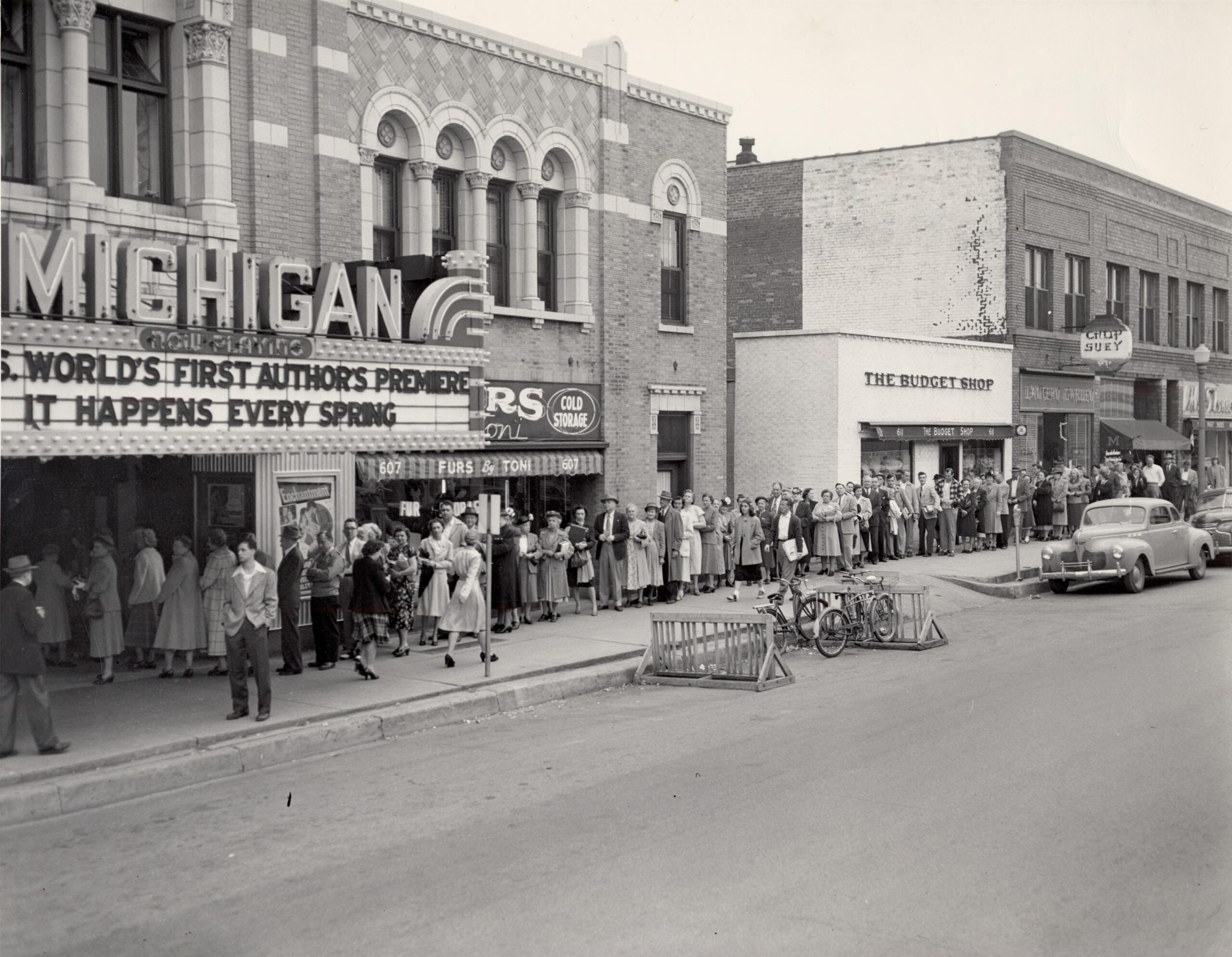
students have a plethora of film and movie options to choose from at the press of a button, with nearly every movie ever created available to stream online. But many student and University organizations still screen films, and there are usually several available options each week on campus. University libraries screen documentaries, language departments offer foreign films, centers across campus host relevant movie nights, and niche student organizations — such as the Star Wars Fan Club — regularly gather to share their movie interests.
But while Herb Bowie, ’73, recalls a lively screening culture on campus, the University of Michigan had not yet established a film studies program.
In late 1972, eight U-M professors created the Committee on Film Resources to communicate and develop an interdisciplinary program, with the ultimate goal of establishing an official department of film studies at the University. In 1976, the committee approached leadership within the College of Literature, Science, and the Arts to request institutional support and resources, and soon the program in Film and Video Studies was established, with 30 students anticipated to enroll in the major for the fall 1977 semester.
The program grew in popularity through the 1980s, with an average of 70 to 100 students enrolled each year. Some introductory courses proved of exceeding interest — by 1988, Communication 320: Film Analysis enrolled more than 350 students.
As committee recommendations shaped changes to the curriculum, faculty and leadership, and program administration, the demand for a film studies department kept pace with the program’s growth, and by 1993, leadership was receiving 50 inquiries per year for information about a graduate film studies program that did not yet exist.
The push for departmental status began in 1998 but proved a slow process, and the Board of Regents granted the change to the program in 2005, creating the Department of Screen Arts & Cultures, with the graduate program beginning in 2006. In 2018, the department’s name was changed, and it’s now known as the Department of Film, Television, and Media. Today, more than 250 students are declared film studies majors.
In addition to formal studies at U-M, there are many student organizations exploring the topic, such as Filmic Productions, a student-led film production agency; M-Flicks, which hosts free feature film screenings; and the Black Film Society, which won a 2024 Lifting Voices Award from the U-M Arts Initiative for a student organization giving voice to underrepresented communities and stories. One of the most prominent student film organizations began in the 1990s and remains part of the department today. The Film & Video Student Association hosts workshops, discussions, and the annual Lightworks Festival, where students showcase their films to large audiences, complete with awards in categories such as Best Comedy, Best Animation, and Best Music Video.
With many streaming options to choose from, the way students consume media today has drastically changed from many alums’ memories of campus film screenings. But students’ interests in film remain strong, with ample screenings, new student groups, and an interdisciplinary curriculum in the department of film, television, and media.
Katherine Fiorillo is the senior editor of Michigan Alum.