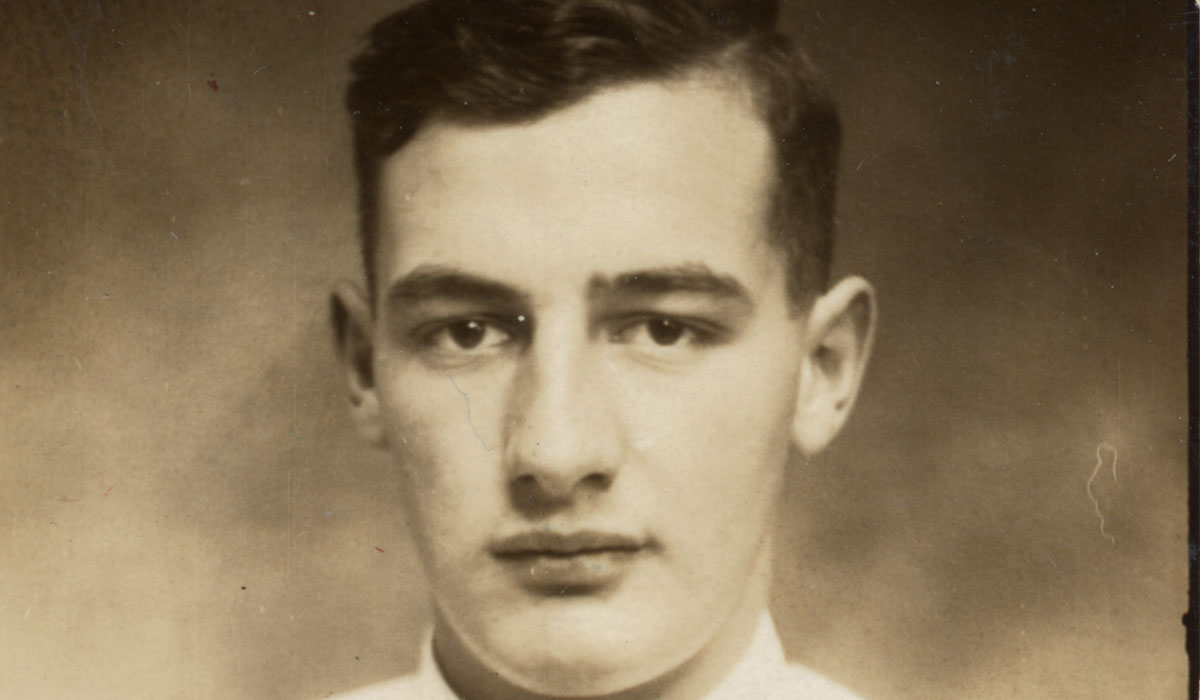
In 1944, not ten years after graduating at the top of his class in architecture at U-M, Raoul Wallenberg was sent from neutral Sweden on a diplomatic mission to save the lives of the last surviving Jews in Budapest during WWII. Wallenberg organized an elaborate system of safe-houses and protective visas (Schutzpass), placing thousands of Budapest’s Jews under the diplomatic protection of Sweden to prevent deportation to Nazi death camps. In six months, Wallenberg is estimated to have rescued up to 100,000 people before being arrested and vanishing into the Soviet Gulag. U-M honors his memory with the Wallenberg Medal and Lecture, Wallenberg Fellowship, and the Raoul Wallenberg Institute.